
Common Weather-Related Risks
Ice and Snow Accumulation:
Navigating through New York City’s winter is challenging, especially for construction workers who face various hazards due to ice and snow accumulation. Icy surfaces transform the work environment into a precarious stage where the risk of slip and falls exponentially increases. Imagine trying to maintain stability on a slick beam or platform—it's a nightmare scenario for anyone, let alone someone carrying equipment or trying to get the day's work done. Accumulated snow, while seemingly harmless, can obscure critical pathways and safety markings, leading to missteps and potential injuries. Additionally, snow piles can hide dangers such as holes or uneven surfaces. Regular clearing and de-icing of work areas are vital to ensure safe footing, but this requires consistent and vigilant efforts, especially during ongoing snowfall.
Cold Weather Exposure:
The biting chill of winter in New York City poses severe threats to construction workers as prolonged exposure can lead to frostbite and hypothermia. Given that construction work often involves early starts and long hours outdoors, workers are at a substantial risk of cold-related health issues. Frostbite is a particular concern in extremities like fingers, toes, and exposed facial areas. Without adequate protection, the body loses heat rapidly, causing tissue damage that might require medical intervention. Hypothermia, on the other hand, affects the entire body, lowering the core temperature to dangerous lows, and can be fatal if not addressed immediately. Ensuring that workers wear insulated, weather-appropriate clothing and have access to warm shelters and breaks is crucial in mitigating these risks.
Site-Specific Challenges
Urban Environment Obstructions:
Winter construction in NYC is uniquely challenging due to the urban environment's inherent obstructions. Skyscrapers and confined spaces limit maneuverability, making tasks like scaffolding and heavy lifting even more hazardous. In such tight quarters, snow and ice exacerbate the difficulty, turning scaffolding into slippery traps. The shadows cast by towering buildings can also cause rapid ice accumulation in shaded areas, unknown to many workers until it's too late. These factors require specialized equipment and advanced planning to ensure worker safety, like stable, insulated platforms and timed clearing operations that align with weather updates.
Traffic and Pedestrian Considerations:
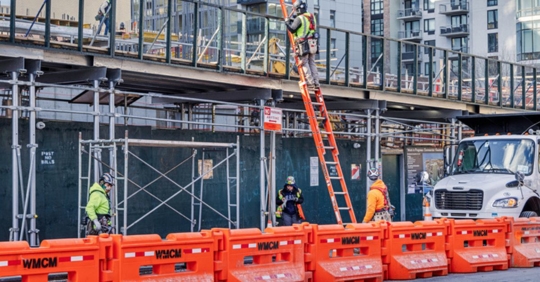
The bustling streets of NYC don’t quiet down in winter but instead add layers of complexity to construction. Dense traffic and vibrant pedestrian activity mean worksites are continually exposed to external risks. Snowfall reduces visibility, complicating navigation and communication between workers. Moreover, snow and ice increase stoppage distance for vehicles, heightening the danger of accidents. Pedestrians, drawn by the necessity of city life, walk dangerously close to active construction zones, often unaware of the hazards. Erecting visible barricades, utilizing robust signaling, and applying informed traffic management are vital strategies to separate work zones from pedestrian paths and vehicular traffic effectively.
OSHA Guidelines for Winter Work
Required Safety Protocols:
The Occupational Safety and Health Administration (OSHA) outlines several protocols to ensure worker safety in winter conditions, providing a legal backbone for construction site operations. OSHA emphasizes the importance of workplace hazard assessments and mandates proper protocols for ice and snow management. It requires that sites regularly assess conditions and implement rigorous safety measures such as cautioning signage and controlled site access to prevent unauthorized entry. Brying heating devices to alleviate cold-related risks and offering clear instructions on their safe use reduce potential fire hazards or carbon monoxide poisoning, further showcasing OSHA's comprehensive approach.
Employer Responsibilities:
Employers bear the critical responsibility of ensuring construction workers are well-equipped and educated to handle NYC's winter conditions. This includes supplying necessary gear like thermal clothing and slip-resistant footwear while conducting consistent, relevant safety training to identify and manage environmental risks effectively. In preparation for these challenges, employers must develop and enforce robust emergency action plans that cover potential scenarios like severe weather alerts or sudden accidents. It's this blend of preparation, provision, and protection that ensures compliance and fosters a safer work environment.
Local NYC Construction Regulations
City-Specific Laws:
New York City imposes its own set of rigorous safety codes tailored to address the complexities of urban winter construction. These protocols are designed to protect workers and the public while considering the unique conditions imposed by the city's snowy winters. Regulations demand proper site setups, including secure scaffolding and fall protection systems, tailored specifically for winter conditions. Construction companies are also assessed on their preparedness for rapid weather changes, ensuring protocols for workforce safety adapt as necessary to the unpredictability of the season.
Permitting and Inspections:
Permits and regular government inspections play a crucial role in maintaining safety standards during winter construction in NYC. The New York City Department of Buildings conducts frequent site inspections, ensuring that safety practices are both in place and adhered to diligently. Failing to comply with these comprehensive rules can lead to costly project halts or legal consequences. Proper permitting and adherence to inspection guidelines help mitigate risks, keeping workers safe and projects progressing smoothly even amidst the city's notorious winter weather.
Common Winter Construction Injuries
Slip and Fall Accidents:
Slip and fall injuries are a prevalent concern on icy construction surfaces, often resulting in fractures, sprains, or head injuries. Among the most frequent accidents, these incidents can have severe repercussions, sidelining workers for weeks or months. To combat this, construction companies implement prevention strategies such as non-slip materials on walkways and tool handles, maintaining clear communication about surface conditions, and frequently inspecting and clearing ice accumulation. It's about cultivating an environment where safety is habitual, not an afterthought.
Frostbite and Cold-Related Conditions:
Cold weather brings specific health risks like frostbite and hypothermia, escalating the urgency for proper preparation. Frostbite, characterized by numbness and skin discoloration, is preventable with sufficient protective measures and vigilance. Employers must educate their teams on recognizing symptoms early and taking immediate action, such as warming affected areas or seeking medical assistance. Equally pressing, hypothermia is a risk during extended exposure to freezing temperatures. Providing heated shelters, frequent breaks, and warm beverages assists in maintaining workers' health and focus.
Preventative Strategies
Safety Training Programs:
Safety training programs are vital in preparing construction workers for harsh winter conditions. These programs educate workers on recognizing potential hazards and implementing best practices to ensure safety. Regular drills and winter readiness sessions instill a culture of vigilance and proactive safety management—essential elements in adapting to harsh NYC winters. Additionally, training fosters teamwork and communication crucial in emergency situations, enabling quick, coordinated responses that minimize risk.
Protective Gear and Equipment:
Mandatory protective gear, specifically designed for winter construction work, is indispensable. Anti-slip boots, insulated clothing, and heated equipment form an essential line of defense against cold-related health issues and accidents. Ensuring all equipment is winterized, serviced, and operated under stringent protocols prevents malfunctions that could endanger workers. The essence of safety in these conditions lies in a proactive approach—gear needs to evolve with weather conditions, stripped of complacency.
Understanding Workers' Compensation for Construction Injuries
Filing a Claim:
Understanding and filing a workers' compensation claim can be complex, especially when winter variables are involved. The process typically begins with reporting the injury to a supervisor immediately. It progresses by seeking medical attention and completing necessary documentation outlining the incident’s details. A crucial step is submitting this documentation to the employer’s insurance provider in a timely manner to ensure all benefits are appropriately explored. Navigating this process efficiently can make a significant difference in recovery and financial stability.
Eligibility and Limitations:
In NYC, a range of injuries fall under the scope of workers’ compensation, provided they occurred in the course and scope of employment. However, claims must meet certain eligibility criteria. Coverage includes injuries sustained from falls, equipment malfunctions, or cold-related health concerns. Nevertheless, understanding the limitations, such as coverage exemptions and time constraints for filing, is essential to securing benefits. Knowledge of these parameters ensures workers leverage their rights fully, supported by accurate, informed guidance.
Navigating Legal Resources
Seeking Legal Assistance:
Navigating the aftermath of a winter construction injury in legal terms can be daunting, underscoring the importance of consulting an attorney specializing in such situations. An experienced lawyer will assess the nuances of your case, provide counsel on the best approach, and advocate for your rights diligently. Their local knowledge of NYC’s workers’ compensation landscape offers strategic advantages, ensuring that injured parties receive just compensation. Early legal involvement often significantly impacts outcomes in favor of fair worker treatment.
Employer and Insurance Liabilities:
Employers and insurance companies hold significant roles in the workers’ compensation process. Understanding these entities' liabilities is critical for injured workers seeking compensation. Employers must adhere to safety regulations and facilitate timely claims processing, maintaining transparency and accountability. Equally, insurance companies must handle claims judiciously, providing deserved compensation promptly. Navigating these interactions with a knowledgeable advocate by your side ensures that rights are not infringed upon due to corporate oversight or bureaucracy.
Government and Non-Profit Support Services
Local Support Resources:
Injured construction workers in New York City benefit from a variety of local support services that provide invaluable aid and advocacy. These include partnerships with organizations and non-profits dedicated to construction worker safety and rights. They offer resources like counseling, financial aid, and legal advice, empowering injured workers during challenging times. Engaging with these community resources can help bridge gaps in state support systems, offering peace of mind and practical help where it’s most needed.
State and Federal Assistance Programs:
Beyond local services, state and federal programs provide additional benefits and support to injured workers. These initiatives offer comprehensive resources ranging from medical assistance to vocational training for individuals considering new career paths post-injury. Getting acquainted with the available programs ensures workers can maximize their recovery and reintegration into the workforce. Understanding these wider support structures complements localized help, presenting a robust safety net for New Yorkers.
Continuing Education and Safety Resources
Workshops and Seminars:
Ongoing education through workshops and seminars is essential for keeping construction teams updated on best practices and winter safety. These programs provide hands-on learning experiences, reinforcing proper safety procedures and introducing new safety technologies. By participating in these workshops, workers enhance their skills and develop a deeper understanding of the ever-evolving safety standards, fortifying their ability to mitigate risks effectively.
Online Tools and Resources:
The digital age offers vast online tools and resources tailored for construction safety training and compliance. Easily accessible platforms provide videos, guidelines, and industry updates, ensuring teams stay informed and adept in their safety strategies. These resources complement traditional methods, offering flexibility and comprehensive learning opportunities, essential for adapting to the dynamic NYC winter construction landscape.
Schotter Millican, LLP Is Here for You This Winter and Beyond
When navigating the treacherous winter construction landscape in New York, partnering with experienced professionals ensures you stay prepared and protected against any adverse outcomes. Schotter Millican, LLP extends our legal expertise to guide you through every step of your construction workers' compensation claims process. We invite you to contact us today to explore how we can support and safeguard your rights during these challenging winter months.
Reach out to Schotter Millican, LLP at (718) 550-0610 or send us a message online.